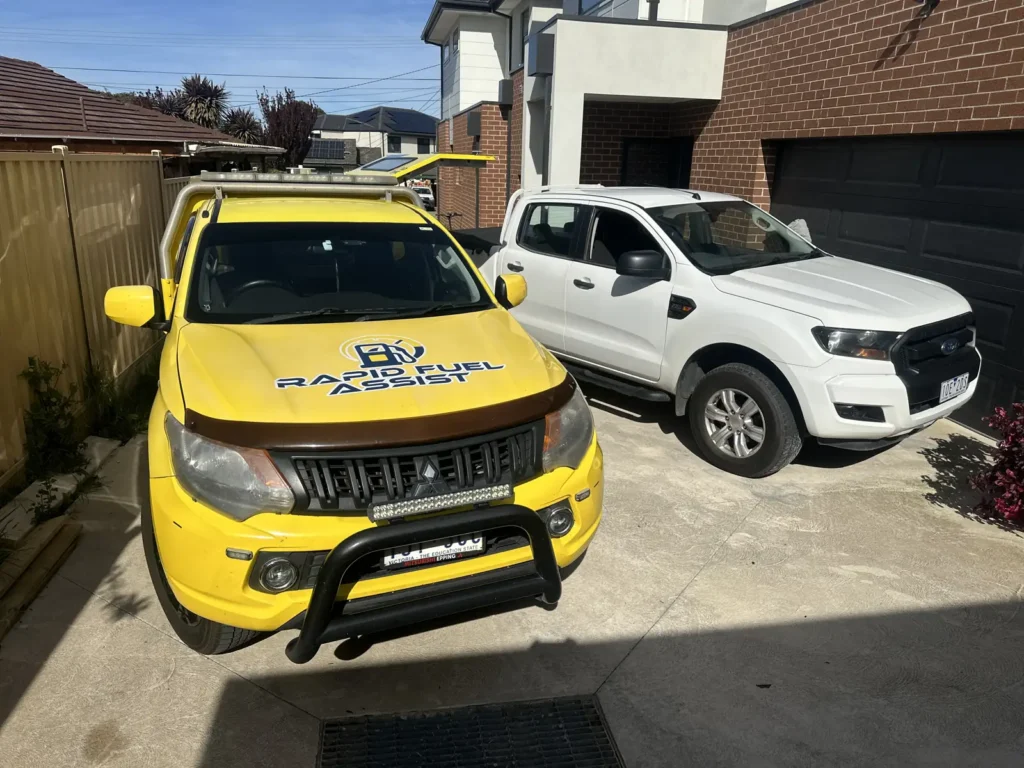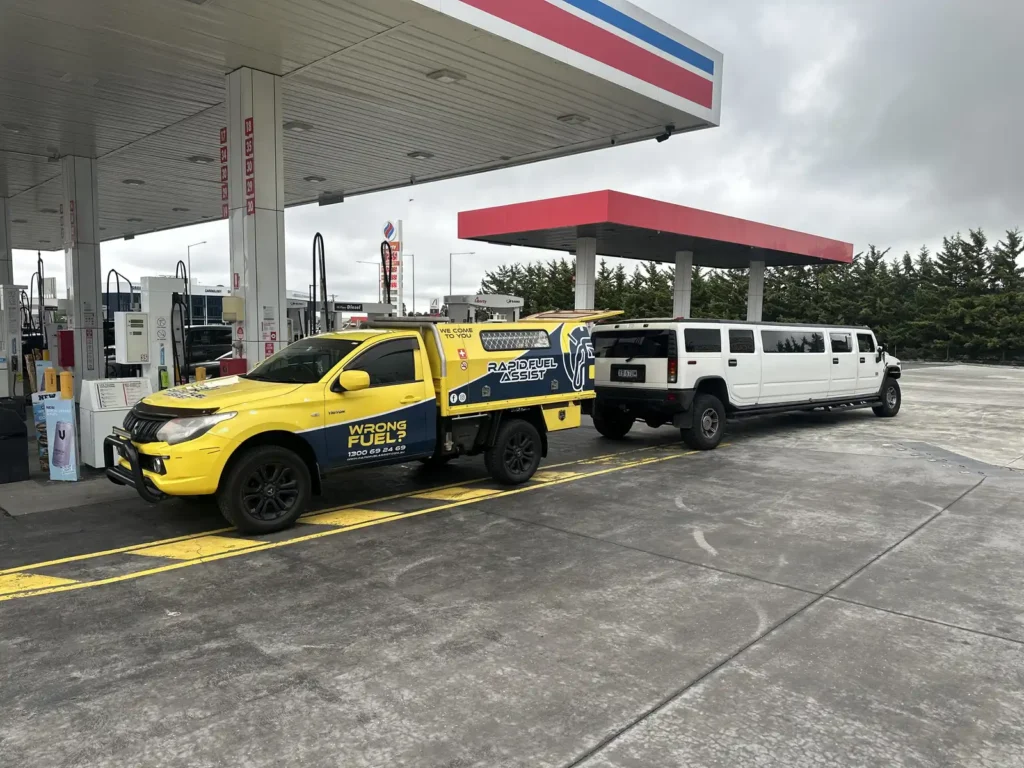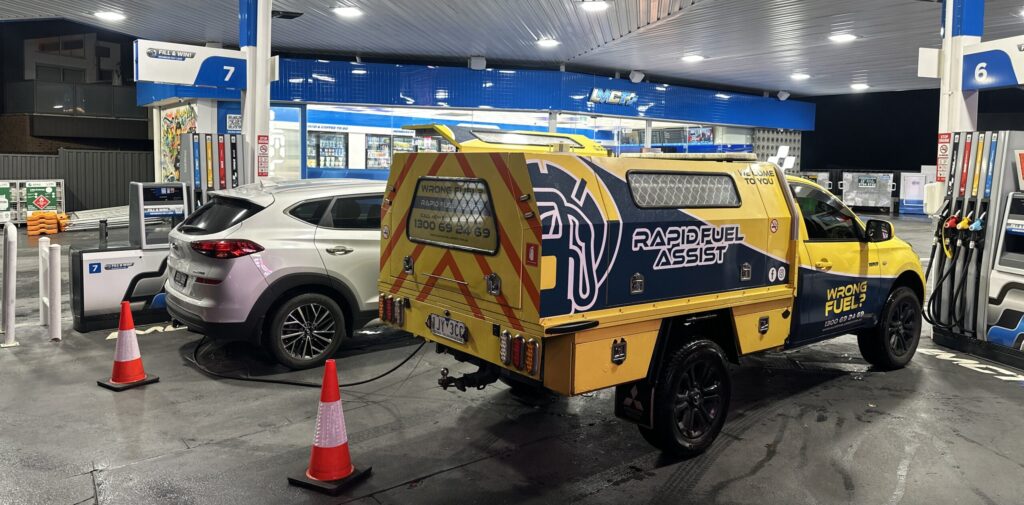

A Ford Ranger, Two Tow Trucks, and a Warning That We’d Fail — What Actually Happened in Richmond
This one stayed with us for a while.
Not because of the job itself — wrong fuel in a Ford Ranger is something we handle regularly across Melbourne. But because of everything that happened before we even got there. The dealership visits. The two tow trucks. The phone call warning our customer that we would fail. And the moment we were standing there, scanner in hand, wondering whether something had actually been tampered with.
Here is the full account.
How It Started
A Ford Ranger owner in Richmond put petrol into his diesel tank. By the time he realised, the vehicle had already been driven — the contaminated fuel had circulated through the system. The Ranger ran rough but kept going. He made it to his destination, parked, and shut it off.
When he tried to restart it later, it wouldn’t start.
He did what most people do in that situation: he called the dealership.
The dealership assessed the vehicle and came back with a quote of approximately $4,300. The diagnosis was injector replacement. On paper, this is not an outrageous conclusion — petrol in a common-rail diesel system genuinely can damage injectors if the engine runs on it long enough. The risk is real.
But our customer was not ready to hand over $4,300 without exploring his options first.
What the Dealership Did Next
When he told the dealership he wanted to try a mobile wrong fuel specialist before committing to the repair, the response was not encouraging.
They were not happy. The attitude, as he described it, was blunt — the car needs $4,300 worth of work, just pay it. When he pushed back and asked about getting a second opinion, they told him directly: the mobile service would not be able to fix it, and the car would be back at the dealership within a day.
That warning was made to him directly. Not to us — to him.
Then it got worse. He asked whether we could come to the dealership to perform the drain on site. They refused. He asked whether they could push the vehicle out to the street so we could access it there. They refused that too.
This is his car. He owns it. But the dealership would not release it for mobile service or allow any work to be done on their premises. The only way to get access to his own vehicle was to organise a full tow out of the dealership.
That is two tow trucks. The first to bring the Ranger to the dealership. The second to get it back out again.
The dealership ordeal took two days. By the time we got the call, our customer had already spent somewhere between $500 and $800 on towing alone — and he still hadn’t had anything fixed.
Petrol in Diesel Car Melbourne — What Happens and What To Do
Our Honest Position Before We Started
We told him upfront: if we cannot fix this, we will not charge you a single cent. Not a callout fee, not a diagnostic fee — nothing. If the job fails, you pay nothing.
We also told him something we do not say to every customer — that if the vehicle genuinely needed workshop repairs, we would cover the cost of a further tow ourselves and refer him to a mechanic we personally trust with our own vehicle. We were not going to leave him stranded after everything he had already been through.
But privately, there was a small amount of doubt on our end.
Not because of the vehicle or the fuel contamination — we had every reason to believe the drain would work. What gave us pause was the dealership’s behaviour. The refusal to allow access. The warning that we would fail. And one specific concern that crossed our minds: what if they had done something to the vehicle’s software settings? Modern diesel injectors are calibrated and coded to the vehicle’s ECU. It is technically possible for someone with dealer-level diagnostic tools to alter those settings.
We had no evidence of that. It was probably nothing. But when a dealership tells your customer you will fail — and then goes out of their way to make the job as difficult as possible — you start asking questions.
We decided to push ahead. The likelihood of genuine injector failure at that stage was low. We had done this job hundreds of times. We backed ourselves.
What the Scanner Showed
Here is what the dealership’s diagnosis was actually based on.
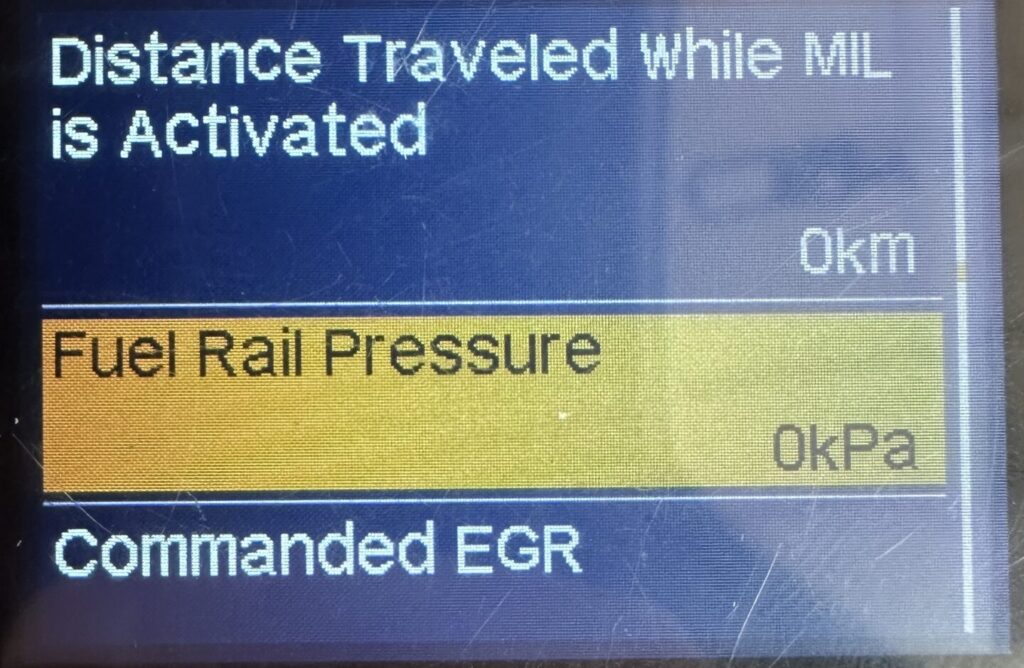
They plugged in their diagnostic scanner with the engine off. The fuel rail pressure reading came back at 0 kPa. Their conclusion: all four injectors had failed. Simultaneously. All at the same time.
We want to be straightforward about this. A fuel rail pressure reading of 0 kPa with the engine not running is completely normal. It is not a fault. It is not a failure. It is what every diesel engine on the planet reads when it is switched off and the fuel system is not pressurised. You cannot diagnose injector failure from a static reading with a dead engine — that is not how common-rail fuel injection works.
For all four injectors to fail simultaneously would be an extraordinarily rare mechanical event. In practice, it essentially does not happen. Injectors fail individually, over time, under load. The idea that a wrong fuel incident caused four injectors to fail at exactly the same moment — while the engine was sitting still at a dealership — does not hold up to scrutiny.
That was the basis of a $4,300 repair quote.
Here is what makes that diagnosis particularly hard to accept. The vehicle had been driven to its destination on the contaminated fuel. It ran rough — but it ran. It made the journey. The injectors were functioning well enough to move the car from point A to point B. It was only after the engine was shut off and the fuel system sat with contaminated fuel in it that it would not restart.
A vehicle that drives to a location on contaminated fuel and fails to restart is not a vehicle with four failed injectors. It is a vehicle with a contaminated fuel system that needs draining. Those are two very different problems with two very different price tags.
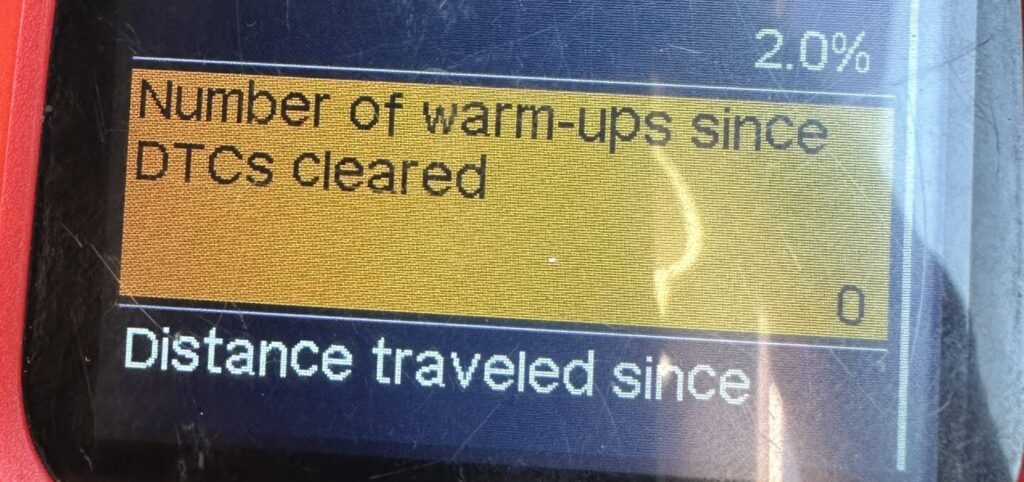
We scan every vehicle we attend as standard practice — before the service, during, and after. Live data from the fuel system tells you things a visual inspection never can. It is our paper trail on every job.
When we connected our scanner, the first thing we noticed was the warm-ups since DTCs cleared reading: zero. Someone had cleared the fault codes on this vehicle. Whatever the engine management system had recorded during the wrong fuel event was gone. We cannot say who did it or why. What we can say is that the diagnosis used to justify $4,300 in repairs was based on a 0 kPa reading from an engine that was not running — and the vehicle’s fault history had been wiped before we arrived.
Before the drain, fuel rail pressure was reading 0 kPa. Expected. The engine was off and the system was contaminated.
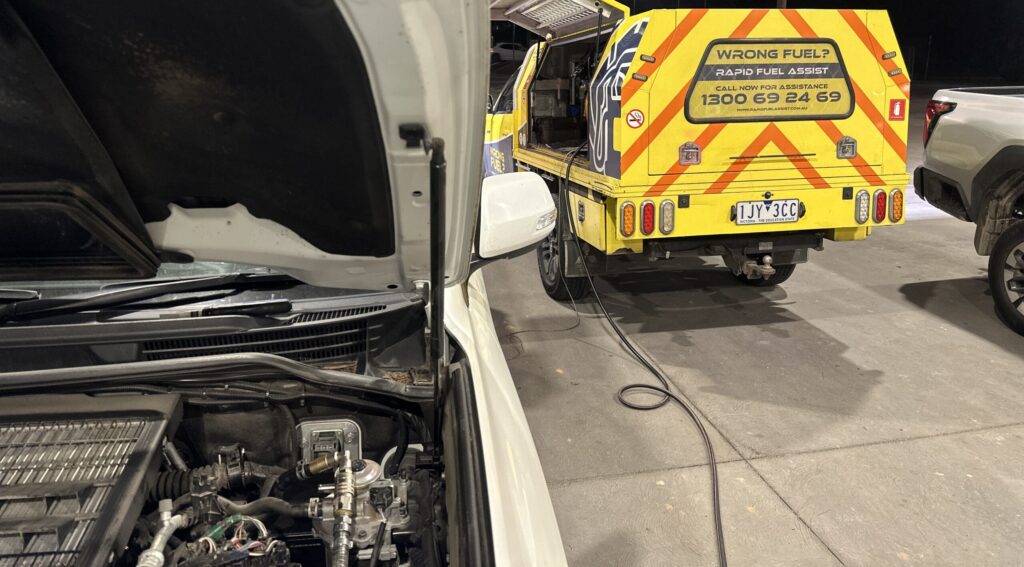
We drained the tank completely. Flushed the fuel system. Refuelled with clean diesel. Primed the fuel system.
Then we tried to start it.
It did not fire on the first attempt. Ford Rangers with common-rail diesel systems sometimes need a few cycles to prime the fuel system after a complete drain — this is normal, not a warning sign. We cranked it again. And again.
On the third or fourth attempt, it came alive.
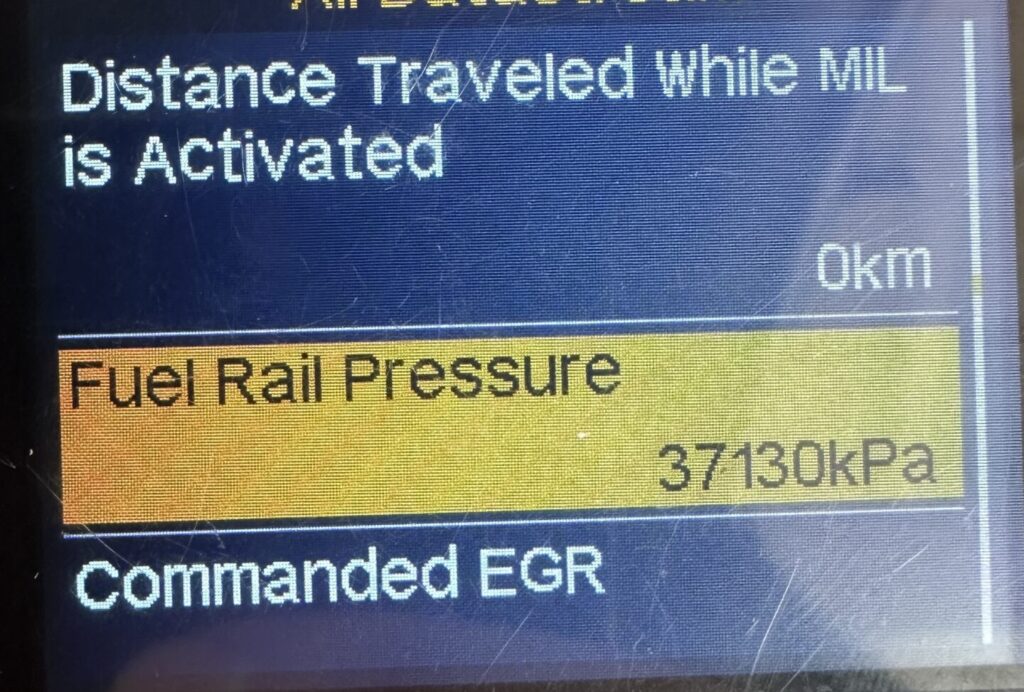
We watched the fuel rail pressure climb on the scanner. It settled at approximately 37,130 kPa at idle.
That is exactly where a healthy Ford Ranger diesel should be sitting. Normal operating pressure. No fault codes. No warning lights. No rough idle. No smoke.
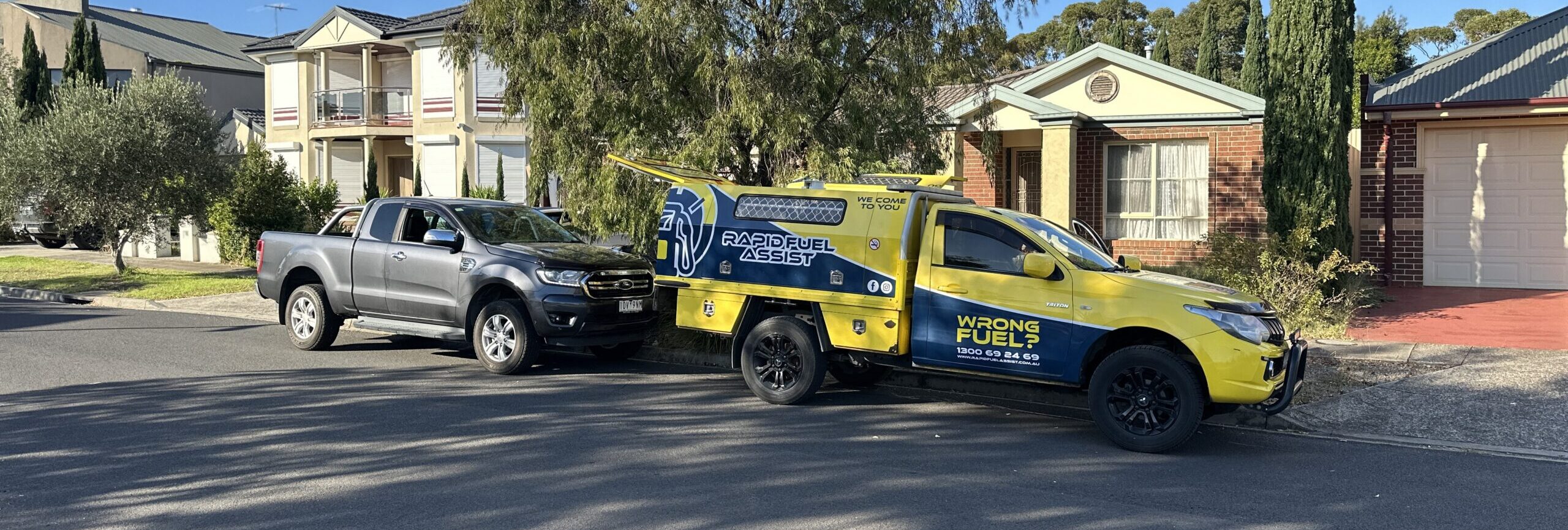
The vehicle that had been quoted $4,300 for injector replacement was running perfectly — on the street, in Richmond, about 48 hours after the dealership ordeal began.
What It Cost Him
Our service: $500.
Two tow trucks at his own expense: somewhere in the range of $500 to $800 depending on the providers and distance.
Total outlay even with the towing: well under $1,500. Against a $4,300 repair quote that — based on the fuel rail pressure data we recorded — was almost certainly unnecessary.
He was very happy. Relieved is probably the better word. After two days of dealership back and forth, two tow trucks, and a direct warning that we would fail — the Ranger drove away from that street under its own power.
It never went back to the dealership.
What This Tells You About Wrong Fuel and Dealerships
We are not here to bash dealerships. There are situations where a vehicle genuinely does need workshop repairs after a wrong fuel incident — particularly if the engine was run hard on contaminated fuel for a significant distance. Injector and pump damage is real. Sometimes the repair quote is the right answer.
But a dealership’s incentive is to repair. A mobile wrong fuel specialist’s incentive is to drain and restore. Those are different starting points, and they lead to different conclusions.
Before you authorise a four-figure repair on a wrong fuel diagnosis, it is worth asking one question: has anyone actually drained the system, flushed the fuel rail, refuelled with clean diesel, and checked live fuel rail pressure data at idle? If the answer is no — that step has not been tried yet.
That is what we do on every single job. And we document it with scanner data every time, before and after, so you know exactly what condition your vehicle was in when we arrived and what it looked like when we left.
Ford Rangers in Melbourne’s Inner South East — We Know This Vehicle
The Ford Ranger is one of the most common wrong fuel callouts we attend across Melbourne. We know every model variant, we know how the fuel system drains, we know how long the priming cycle takes after a complete flush, and we know exactly what healthy fuel rail pressure looks like on the scanner.
If you drive a Ford Ranger in Richmond, Cremorne, Prahran, South Yarra, Hawthorn, Toorak, or anywhere in Melbourne’s inner south east — save our number now. Wrong fuel happens fast and the decisions you make in the first hour matter more than anything else.
Put the Wrong Fuel in Your Ford Ranger? Do This Now.
Stop the engine. Do not restart it. Call Rapid Fuel Assist.
We will tell you honestly over the phone whether we think we can help. If we attend and cannot fix it, you pay nothing — and we will help you figure out the next step. That is our commitment on every job.
View Our Wrong Fuel Rescue Services
Call 1300 692 469 — 24 hours a day, 7 days a week, across Melbourne Metro.
No fix. No fee. No drama.